

Customer Care Chatbots: Transform Support in 2025
Still handling every customer query manually, leading to overwhelmed teams and slow responses? Let’s fix that. This guide will walk you through how AI-powered customer care chatbots can transform your support in 2025, from setup to advanced strategies. By the end, you’ll understand how to implement these tools to save time, cut costs, and boost customer satisfaction.
For many small to medium-sized businesses (SMBs), the challenge isn't just about managing queries but also about capturing every potential lead and serving customers 24/7 without spiraling staff costs. Growth Design Studio specializes in providing AI automation solutions to address these pain points, helping SMBs save 20+ hours per week and achieve a 200-400% ROI in Year 1 by deploying intelligent agents in just 3-7 days.
Understanding the Fundamentals of Customer Care Chatbots
Customer care chatbots are more than just simple automated responses; they are computer programs designed to understand customer questions and automate intelligent responses, simulating human conversation. For instance, in healthcare, Growth Design Studio's Voice AI agents can automate appointment scheduling, answer common patient FAQs, and even handle pre-screening questions, significantly reducing administrative burden and ensuring patients get instant assistance. In essence, they act as a digital frontline for your customer service.
The journey of conversational AI in customer service has seen significant growth. Early bots relied on rigid rules, often leading to frustrating interactions. Today, advanced AI allows chatbots to interpret complex queries, learn from interactions, and offer increasingly personalized support. This shift helps businesses improve customer satisfaction and ease the pressure on human support teams.
Core components of how these customer service chatbots work include natural language processing (NLP) to understand user input, machine learning (ML) to improve over time, and integration capabilities with existing business systems. When a customer types a question, the chatbot analyzes the intent, pulls relevant information, and delivers a concise answer or guides the user through a process.
For SMBs, integrating these capabilities means prioritizing solutions that are not only powerful but also affordable and easy to deploy. Growth Design Studio focuses specifically on SMBs, offering cost-effective, multi-language AI automation that integrates seamlessly with existing CRM systems.
Unlocking Business Value: Benefits of Integrating Chatbots
Integrating chatbots offers clear benefits, helping businesses streamline operations and deliver better customer experiences.
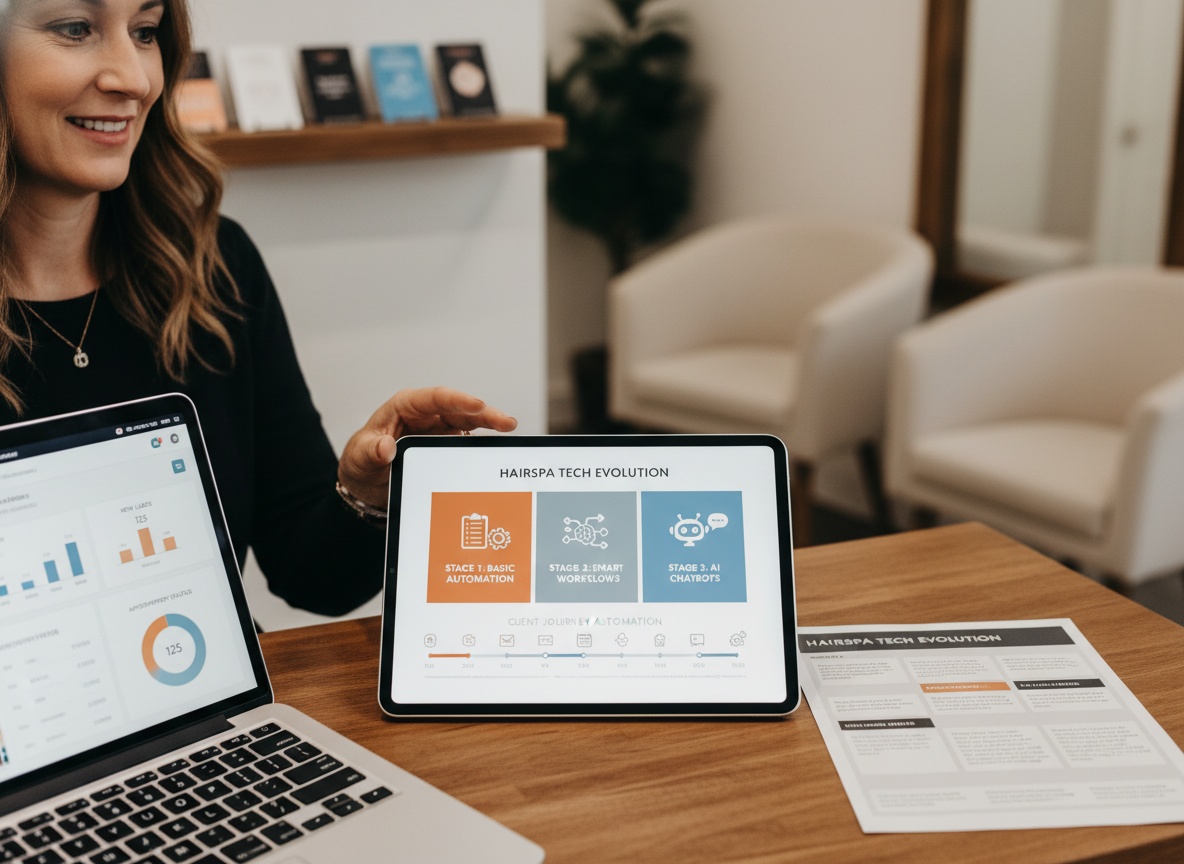
One major advantage is boosting efficiency and reducing operational costs through automation. Chatbots handle repetitive queries, answering frequently asked questions and reducing the volume of support tickets. This frees up your human agents to focus on more complex, high-value issues. Imagine cutting down your inbound query time by 60% just by automating initial responses. For instance, real estate agents often miss 35-45% of calls after hours, potentially losing $500-2,000 per lead. Growth Design Studio's Voice AI handles this 24/7, qualifying leads instantly. Clients report a 40-60% increase in lead capture within 30 days, with setup taking under 5 days, translating to a significant 50% cost reduction in lead handling.
Chatbots also enhance customer satisfaction by providing 24/7 instant support. Customers don't have to wait for business hours; they get immediate answers whenever they need them. This instant access often leads to higher satisfaction rates, as confirmed by tools like ChatBot®, which promise ultra-high satisfaction. Consider the automotive industry, where dealerships struggle with after-hours inquiries, potentially losing service appointments or sales leads. Growth Design Studio's AI agents automate service bookings, answer common questions about inventory or financing 24/7, and qualify leads, delivering 200-400% ROI in Year 1 by ensuring no customer query goes unanswered.
Empowering human agents to focus on complex issues means your team can handle intricate problems that truly require human empathy and problem-solving skills. Instead of answering the same basic questions repeatedly, agents can dedicate their expertise to resolving critical customer concerns. For roofing and other local service companies, this means human staff can focus on high-value tasks like site visits, complex quotes, and closing deals, while Growth Design Studio's AI agents manage initial inquiries and lead qualification, saving 20+ hours per week and dramatically improving lead generation efforts.
Real-world examples showcase this value across diverse industries. Businesses use chatbots for everything from automating booking processes to providing instant product information. For instance, DBS Bank has rolled out a Generative AI chatbot to enhance corporate client services and integrate AI into its workflow.
Strategic Implementation: Building and Optimizing Your Chatbot
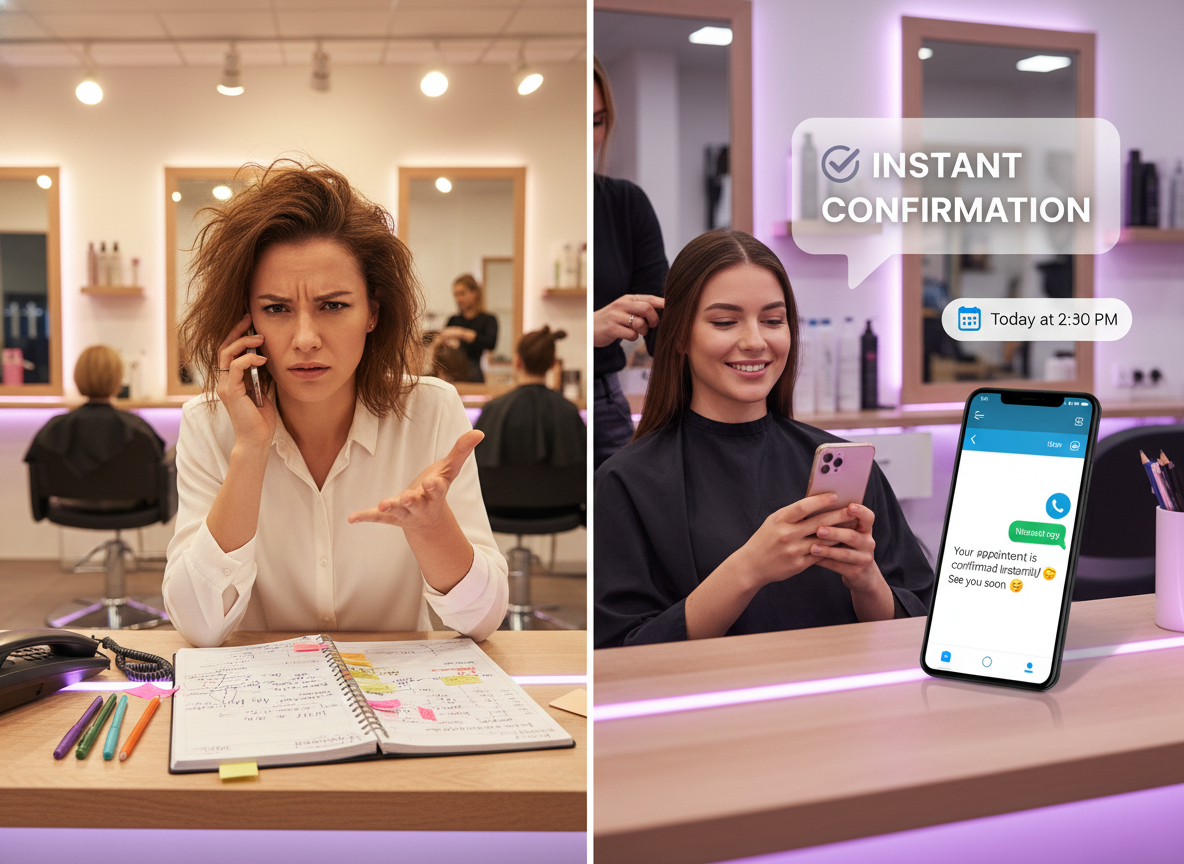
Choosing the right platform is the first step in building an effective customer care chatbot. Key features and considerations include the platform's ability to integrate with your existing CRM, its AI capabilities (like NLP), and its scalability. Options range from free AI chat tools that require no account to start overchat.ai] to comprehensive paid platforms like ProProfs Chat, Chatfuel, or Ada. While free solutions can offer a starting point, paid options often provide deeper features, better integration, and more robust support for businesses.
Growth Design Studio differentiates itself by offering SMB-focused, affordable pricing with robust multi-language support and seamless integration with popular CRMs like Zoho, HubSpot, and LeadSquared, specifically designed to meet the unique needs of small and medium enterprises. For more on how AI can transform your business, consider exploring AI for marketing automation.
Here’s a step-by-step guide to developing your customer care chatbot:
Define Goals: What specific problems do you want the chatbot to solve? (e.g., reduce call volume, improve response time).
Gather Data: Collect common customer questions and interaction data.
Choose Platform: Select a chatbot builder that fits your budget and technical needs.
Design Conversation Flows: Map out how the chatbot will respond to different queries.
Train the AI: Input your data to teach the chatbot to understand intent and provide accurate answers.
Test Thoroughly: Run extensive tests to ensure the chatbot responds correctly and handles edge cases.
Deploy: Integrate the chatbot into your website, social media, or messaging apps.
Best practices for training, deployment, and continuous improvement involve regularly reviewing chatbot conversations to identify areas for improvement. Continuously refine its responses and add new knowledge. Monitor key metrics like resolution rates and customer satisfaction.
Integrating chatbots with existing CRM and support systems is crucial for a seamless experience. Tools like Salesforce provide comprehensive guides on creating customer service chatbots that integrate with their service cloud. This integration allows chatbots to access customer history and other vital data, offering more personalized and informed support. This is a critical technical consideration, especially for SMBs who rely heavily on their existing CRMs.
Growth Design Studio ensures deep integration capabilities with leading platforms like Zoho, HubSpot, and LeadSquared, along with multi-language support, allowing businesses to leverage their existing customer data for highly personalized and efficient AI interactions.

Future Outlook: Challenges, Innovations, and Trends in AI Customer Care
While chatbots offer significant benefits, there are common pitfalls to overcome to ensure user adoption. These include poorly designed conversation flows, a lack of clear escalation paths to human agents, and chatbots that fail to understand user intent. Balancing automation with human support is key; customers should always have an easy way to connect with a person if needed.
The role of Generative AI and advanced models (beyond ChatGPT) in 2025 is rapidly expanding. While general-purpose AI like ChatGPT is not recommended for direct customer support due to potential inaccuracies or lack of specific business context, specialized AI agents are highly effective. Tools like Claude are noted for thoughtful, long-form writing and deep conversation capabilities.
Dedicated platforms like Chatbase and Fin are building highly performing AI agents for customer service, capable of resolving complex queries.
Ethical considerations and maintaining a human touch in AI interactions are paramount. Companies must ensure data privacy, transparency about AI usage, and design chatbots that are helpful, not misleading. The goal is to augment, not replace, human connection, ensuring the customer feels heard and valued.
Emerging trends include proactive AI, where chatbots anticipate customer needs and offer assistance before being asked. Voice bots are also gaining traction, allowing customers to interact verbally. Hyper-personalization, driven by deeper integration with customer data, will enable chatbots to offer truly tailored experiences, knowing individual preferences and past interactions. Sendbird, for example, offers AI customer service agents that deliver instant support across multiple channels like mobile, web, social media, SMS, or email.

Key Takeaways
Customer care chatbots are essential tools for modern businesses, offering round-the-clock support, reducing operational costs, and empowering human agents. Choosing the right platform, meticulous training, and smart integration are critical for success. Looking ahead to 2025, specialized AI agents and proactive, personalized interactions will set the standard.
Frequently Asked Questions
What is a chatbot for customer service?
Chatbots are computer programs designed to understand customer questions and automate intelligent responses, simulating human conversation. They act as a digital frontline for customer service, improving customer satisfaction and easing pressure on human agents.
Can I use ChatGPT for customer service?
General-purpose AI like ChatGPT is not recommended for direct customer support due to potential inaccuracies or lack of specific business context. However, specialized AI agents designed for customer service are highly effective.
Is there a 100% free AI chatbot?
Yes, there are free AI chat tools available that allow you to start using a chatbot without needing an account. However, paid platforms often offer more comprehensive features and robust support.
Conclusion
Implementing customer care chatbots is no longer an option but a strategic move to future-proof your business. Growth Design Studio's rapid deployment (3-7 days) and proven 200-400% ROI in Year 1 demonstrate that SMBs can now access enterprise-level automation without the enterprise price tag or implementation headaches, allowing them to scale operations without increasing staff. Now your team can deliver faster, more consistent support while focusing on what truly matters.
Want this automation done for you? Book your free automation audit.